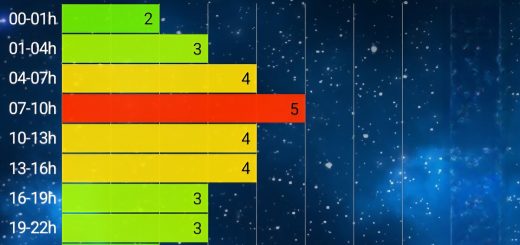
Solar Maximum and Minimum
We’re currently at the tail-end of what’s called Solar Maximum—aka the Sun’s wild party phase.
You see, the Sun goes through an 11-year cycle like it’s got mood swings. Some years it’s all fired up (literally), shooting out sunspots, flares, and massive coronal mass ejections (CMEs). Other years, it’s in chill mode.
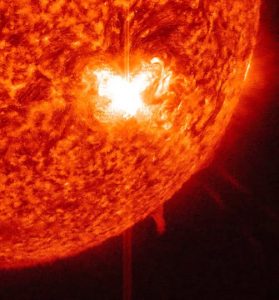
Solar Maximum is when the Sun super active, covered in sunspots, and throws flares and CMEs like it’s got a cosmic hangover incoming. Its magnetic field gets twisted like spaghetti and starts flipping its poles—north becomes south, and vice versa. This chaos can mess with Earth’s satellites, power lines, and can also give us epic auroras like the ones we a few days ago.
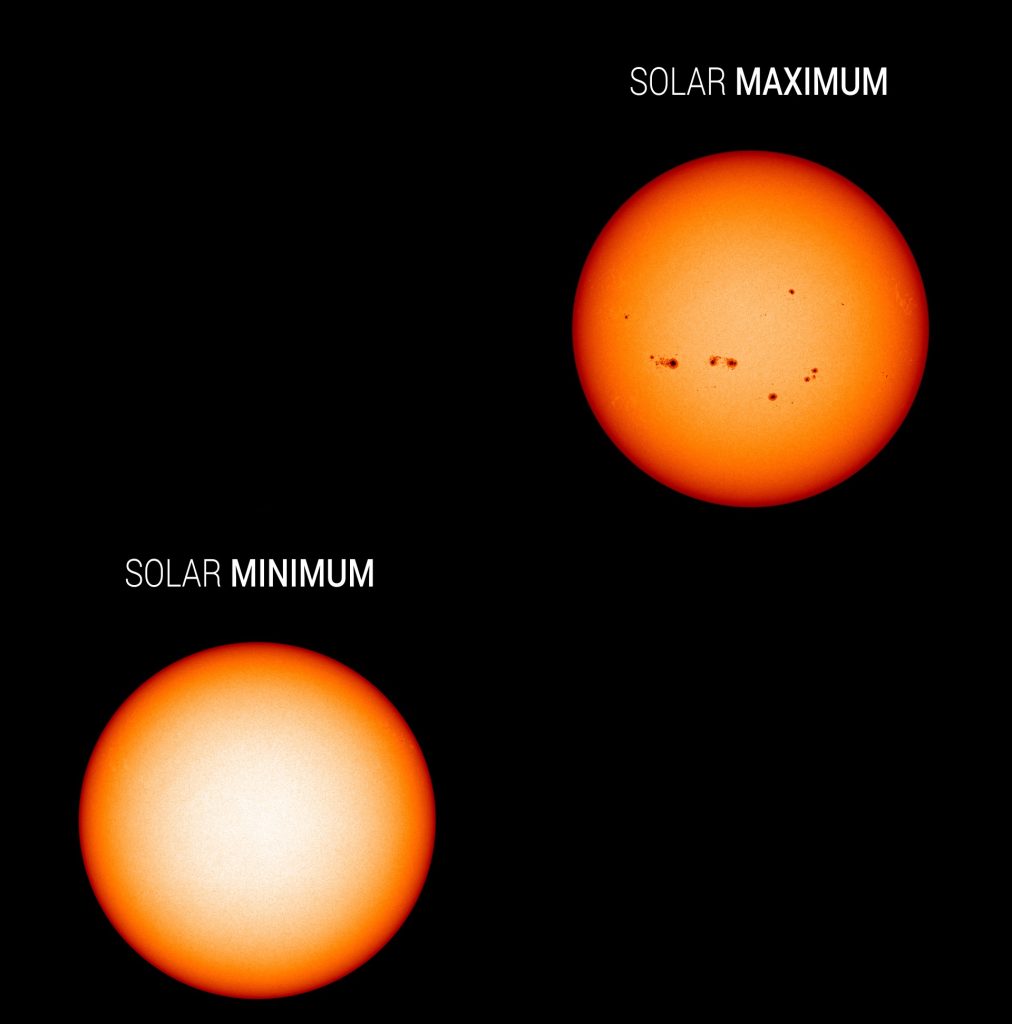
Image Credit: NASA’s Solar Dynamics Observatory/Joy Ng
Solar Minimum is when the Sun puts on its robe, makes tea, and does a lot of nothing. Hardly any sunspots, barely any flares. Its magnetic field is calmer, like a Zen master. Space weather is pretty chill, and Earth gets a breather.
The Maunder Minimum:
Between 1645 and 1715, the Sun went into deep hibernation—hardly any sunspots for decades! This quiet time, known as the Maunder Minimum, lined up with a chilly phase on Earth called the Little Ice Age. Coincidence? Maybe. But let’s just say the Sun took a long nap and Earth had to wear an extra jumper.